
From hardwood sawdust to fruiting ready logs
A controlled production route covering raw-material feeding, substrate preparation, bag forming, pressure sterilization, solid-spawn inoculation, incubation, oxygenation, browning and fruiting.
One substrate Ten controlled transitions
Cultivation-log performance begins before inoculation. Particle quality, hydration, fill density, sterilization load, cooling hygiene and incubation temperature all influence colonization uniformity and contamination risk.
Application note. The operating values shown are a representative production configuration. Formula, fill density, sterilization validation, inoculation method, incubation conditions and fruiting setpoints must be adapted to the mushroom species, strain, log size, equipment and site.
Material movement is designed as one continuous hygiene sequence
Hardwood sawdust prepared for repeatability
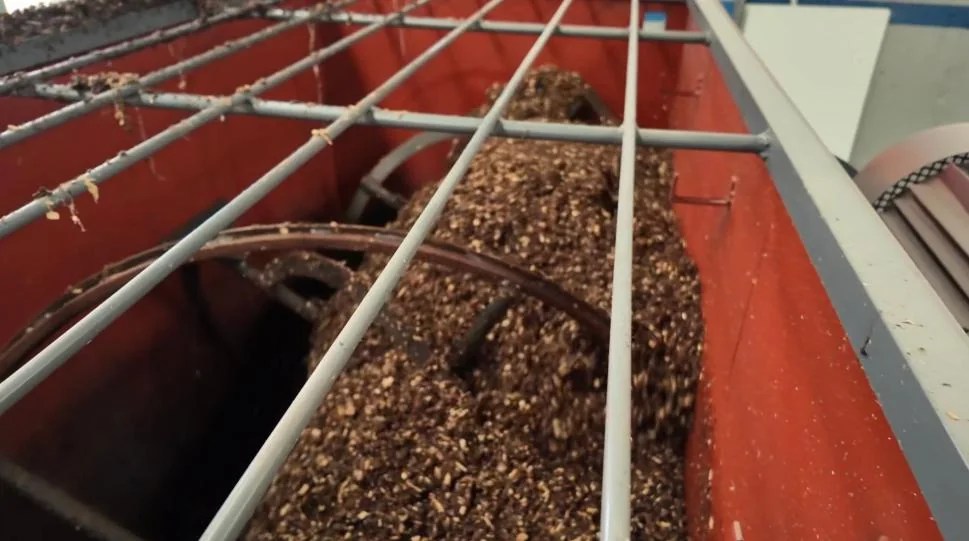
The working formula uses 79% hardwood sawdust, 20% wheat bran and 1% gypsum. Sawdust is sourced from hardwood broadleaf species and fully pre-wetted. Bran and gypsum are dry-mixed first; pre-wetted sawdust is then incorporated.


Water is first added to reach approximately 53% moisture.
A rapid moisture meter is used to refine the final setpoint.
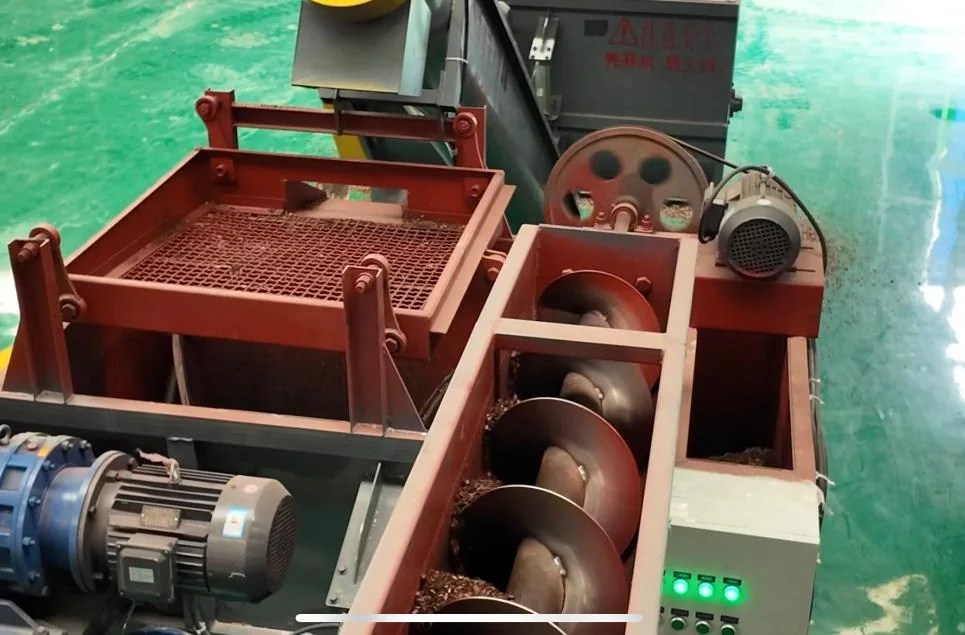
The hydrated substrate is transferred to a secondary mixer for uniform distribution.
Uniform fill density at production speed
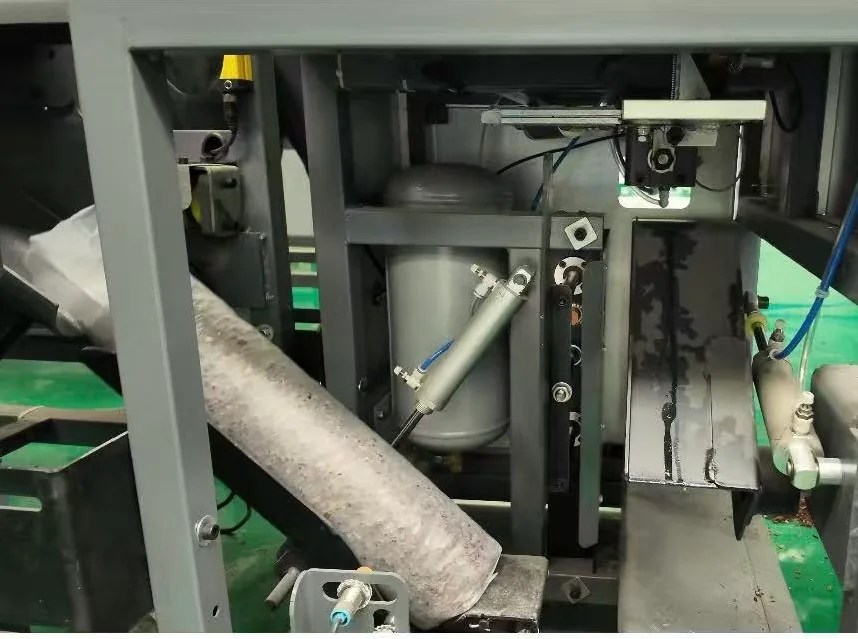
After water adjustment, the substrate passes through secondary mixing and into an automatic bagging line. The operating reference is 500–600 bags per hour. Formed logs are punctured and covered with breathable tape to manage pressure equalization during steam sterilization.



Thermal control followed by a protected cool down
Sterilization follows bag forming without delay to limit substrate acidification. A double-door pressure-steam sterilizer operates at 116–118°C; when water-retention film is used, the working range is reduced to 112–113°C. Hold time is validated against rack density and load geometry rather than treated as a fixed universal number.


Filtered fresh air removes sensible heat before refrigeration.
Logs are cooled to 18–20°C before entering the inoculation sequence.
The double-door layout supports separation between loading and clean-side unloading.
Spawn placement colonization and managed oxygen
An automatic solid-spawn inoculator operates at 700–1,000 logs per hour. Transparent tape or an outer bag helps retain spawn and reduce exposure. Incubation uses angle-iron crisscross racks or mesh racks at 22–23°C and 65–70% RH.


First puncturing cycle introduces oxygen as colonization develops.
Second puncturing cycle; log-core temperature must remain below 28°C.
Controlled light exposure supports maturation and surface browning.
Fruiting begins only after the log is physiologically ready
A mature log is fully browned and resilient to gentle pressure. The bag is then cut for fruiting. Shade netting, plastic film and wet-wall/fan systems maintain the cropping environment; the stated operating range is 10–25°C.

Rest Rehydrate Restart
After a flush, logs rest at 20–25°C to support mycelial recovery. Water is introduced after 10–20 days to initiate the next production cycle.
Test reports available for review
The attached documents are presented as batch- and sample-specific evidence. They do not constitute a blanket claim for every species, harvest or future lot.
Evidence notes
- Production parameters and facility photographs: process specification and image set supplied by Pentsao Ching production personnel for this page.
- FAO, Mushroom Cultivation and Marketing — describes compressed-sawdust and bag-based systems used in managed edible-mushroom production.
- Third-party laboratory reports linked above. Interpretations on this page are limited to the samples, analytes, methods and conclusions shown in those reports.